
Chess - A Psychological Warfare
Part 2
Welcome to the second volume of Chess - A Psychological Warfare! This took some time as I continue researching with pure curiosity and the intent to show the working of chess on your mind. Feel free to scroll through the volumes for any tactic, and recommend some issues of your mind, and I'll try to address it, possibly in the next upcoming volumes.
Adapting to the board
When you decide to play a game after watching a game, your mind is the kind to replicate the cool moves played in the match you watched to dominate the board, like a knight sacrifice, the scholars mate or something similar. But what if the script changes? Your emotions take over. This scenario here lacks one trait dominantly used in chess - adaptability. All people playing chess are really adaptive in the game of chess, as in if an unexpected happens in the board, they play with a shrug. That's calm. It's crucial to master adaptive thinking, the stubborn ones won't improve but fluid thinking does. Chess is the game of the unexpected moves. For example, here is what I thought when I played a match after stumbling upon an chess edit-
"THAT GERMAN FORK IS BEGGING ME TO REPLICATE IT, MY HORSEY IS RIGHT THERE, ALL I NEED TO DO IS *moves to f2*IS FINISHED, THE QUADRUPLE FOR- wait what." I resigned because I didn't see the bishop sniping my knight (true story).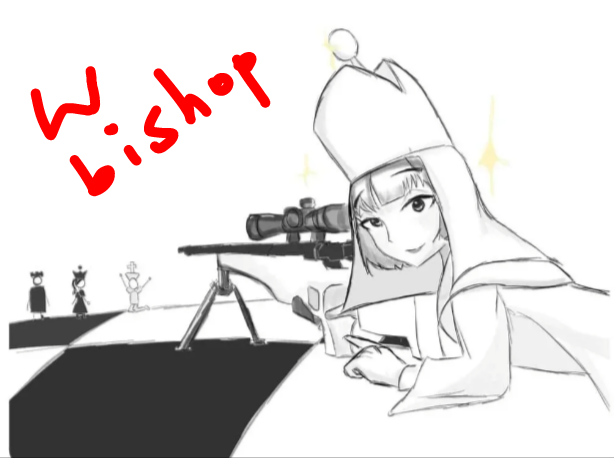
That thought is something which cost the game.
Bluffing & Feigning
Something people love to do when they are offline and they are uncertain of their move, is to be confident. What? You know its a uncertain move,why do that? This my friends, is exploiting the opponent feelings. To you, that move will look like a blunder, your opponent does too, but the way, the confidence you put in that blunder, makes them to think awhile, probably veering them off path, they might think it's a trap, a gambit or whatnot. Here you are, sitting like a doof with a blunder so evident that even a chicken can identify it. The eyes are the input to the mind, and whatever the eyes think it does, the mind does too.
So, trick it :D
Risk Management
Chess boards are a minefield, each step... I mean, move is danger. Managing the risk is something important, it's vital to make correct and calculated moves, whilst observing the whole board. You have to see which move does the best in your play. The strategic play is a vital and notable skill in chess. Avoiding danger whilst creating one for the opposition is the management of risk and turning the tables in a game.
The next part will come a bit late due to studies, please bear with me (_).
More study and stuff material will be posted, until then -@fcbarcalona1011


