
Every Master WAS once a Beginner.
It's important to understand what it takes to become a master, and in this article I highlight to you the differences in Chess levels as a Fide Instructor working with national champions.
🎯 A Coach’s Observation
I’m a certified FIDE Instructor, working with some of South Africa’s strongest junior players—including national champions.
And there’s a pattern.
A very clear one.
From ages 8 to 12, and even bleeding into U14, many players:
- Hang pieces
- Play too quickly
- Treat serious positions casually
With the younger ones, it’s understandable—they’re still developing focus.
But with older juniors?
That habit should have been corrected already.
And when it isn’t... it becomes a ceiling.
🧱 Ages 8–12 (±1200–1600) — “The Blunder Phase”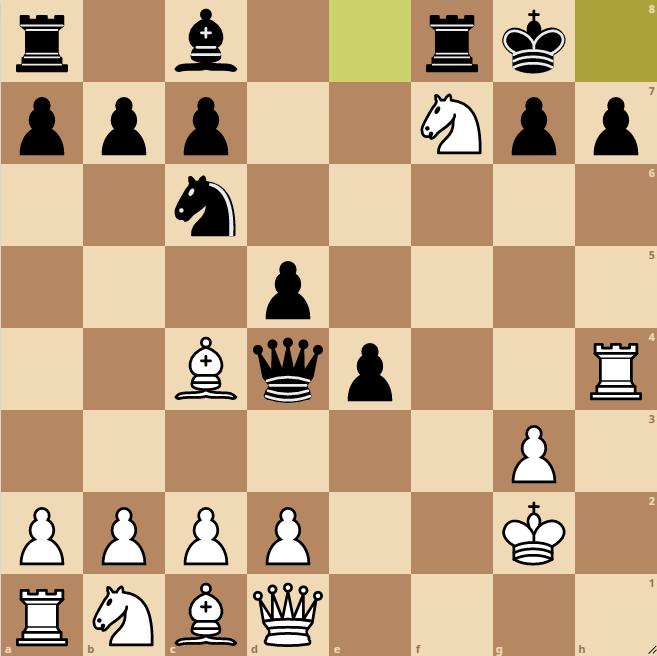 White took the pawn on f7, which was a blunder, and black foreseeing a 'dangerous attack' decides to castle, instead of taking the piece.
What’s Happening:
- Pieces are dropped almost every game
- Moves are played too quickly
- Games are decided by simple tactics
Even at national level, this still happens.
Openings They Gravitate Toward:
- Italian Game (Fried Liver, Four Knights)
- Scotch Game
- Blackburne–Kostic Gambit
These aren’t bad openings.
They’re:
- Simple
- Tactical
- Easy to teach
- Used by almost every coach early on.
👉 To explore these openings: The Italian game.
The Core Problem:
Not openings.
Not talent.
It’s board awareness.
What They Need:
- Hanging piece training
- Tactical pattern recognition
- Slower, more deliberate play
👉 Train this here: (Puzzles • adjva4.dpdns.org)
At this level, improvement is not about learning more—
it’s about losing less material.
⚔️ Ages 14–20 (±1400–1800+) — “The Structured Player”
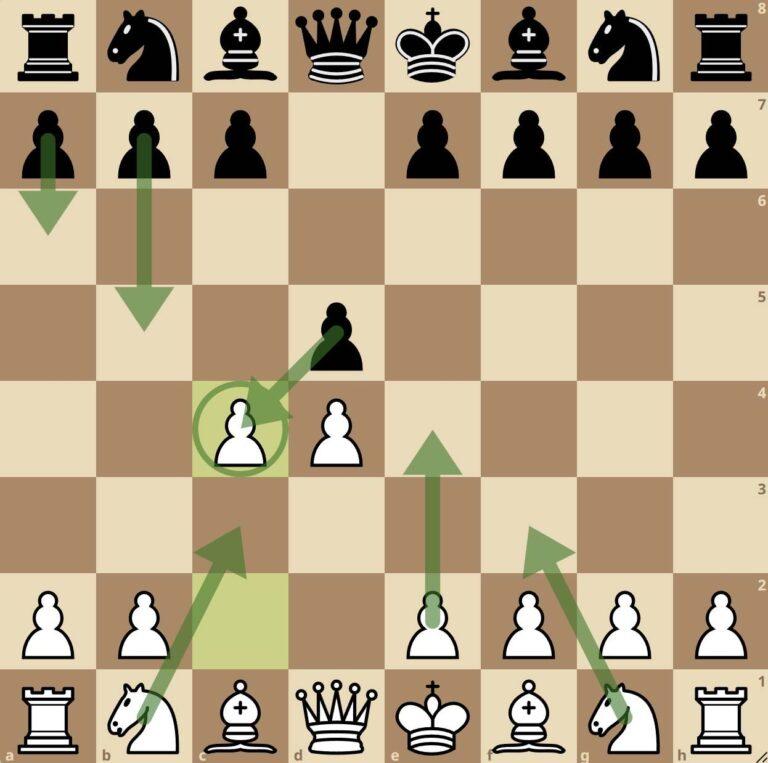
What’s Happening:
This is where the real competitors emerge.
- Better understanding of the game
- Higher accuracy (~90%)
- More positional play
In South Africa, these are often your most promising players.
Opening Trends:
- Queen’s Gambit
- Catalan structures
- King’s Indian Defense
Now the game becomes:
- Slower
- Deeper
- More strategic
The Real Weaknesses:
- Imbalanced skillsets
- Strong opening → weak middlegame
- Good middlegame → poor endgame
- Weak endgame technique (especially rook endgames)
What They Need:
- Better opening understanding (not memorization)
- Middlegame planning
- Serious endgame work
👉 Train this here: Openings (English Opening.)
Middlegame (Puzzles • adjva4.dpdns.org)
Endgame: (Puzzles • adjva4.dpdns.org)
This is where players either plateau... or separate themselves.
👑 1800+ — “The Path to Mastery”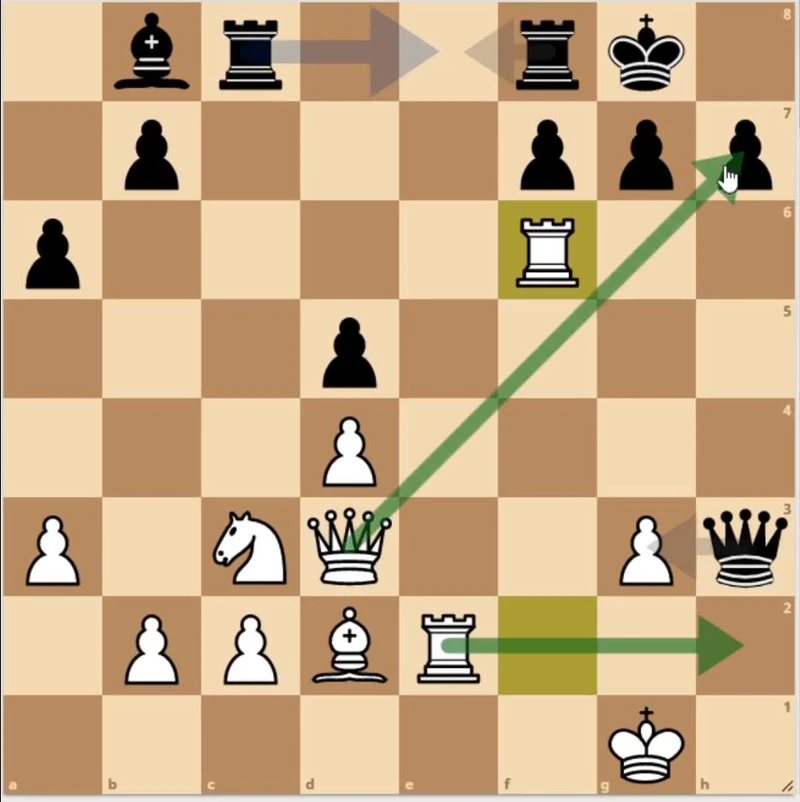
What’s Happening:
Now you’re dealing with players who:
- Understand the game deeply
- Have structured repertoires
- Can punish mistakes early
Accuracy rises to 95%+ in familiar positions.
What Separates Them:
- They recognize bad moves instantly
- They don’t rush winning positions
- They convert advantages clinically
The Truth About “Prodigies”
Yes, there are exceptions.
Players like Faustino Oro reaching elite levels at a very young age.
But let’s be real:
That’s 0.1%.
For the other 99.9%, improvement is built—not gifted.
What This Level Requires:
- Refined opening repertoire
- Deep calculation
- Endgame mastery
- Psychological discipline
This is where chess becomes less about moves...and more about precision and patience.
🔥 Final Word: The Pattern You Must Break
Every level has a trap:
- Beginner: Hanging pieces
- Intermediate: Playing without structure
- Advanced: Imbalance in skill (especially endgames)
If you don’t fix your current level’s problem...
You carry it upward.
And it becomes harder to remove.
📩 Want to Go Further?
If you’re serious about improving and positioning yourself for mastery:
- Training plans
- Coaching
- Training games
- Structured improvement systems
You can reach out directly.
STRIVE FOR MASTERY
You may also like
 Jedidiah932
Wilhelm Steinitz became world champion at 50. Your good years are still ahead.
I started playing Chess at the age of 19 years in Varsity. Never played the nationals at a junior no… Jedidiah932
How to play with purpose, and how I discovered Anastasia's mate.
Inject some purpose and direction in your play instead of 'winging' it. This can be done by doing a … GM Avetik_ChessMood
10 Things to Give Up to Enjoy Chess Fully
Discover how embracing a lighter mindset can help you enjoy chess again and achieve better results. RuyLopez1000
Instructive Attack: A Sliced King
How to punish your opponent for not castling. Jedidiah932
Memorizing Solutions.
A short introduction on how to learn and improve by simply using solutions, learning and solving ove… Jedidiah932